
TL-388A Loader Procurement
TL-388A Backhoe Loader for Construction Procurement
The TL-388A is a 4x4 backhoe loader built for buyers who need one machine to cover trenching, loading, spoil transfer, and routine site support. For import programs comparing wheel loader manufacturers, this model presents a practical mix of digging reach, loader output, and compact job-site handling.
Visible product data shows a YC4A105Z-T20 engine with 75 kW rated power, 2,500 kg load-bearing capacity, 1.0 m3 bucket capacity, 4,500 mm bucket lift height, and up to 5,200 mm digging depth. Those figures help procurement teams and loader manufacturers benchmark the unit for municipal work, road preparation, farm maintenance, and general construction deployment.
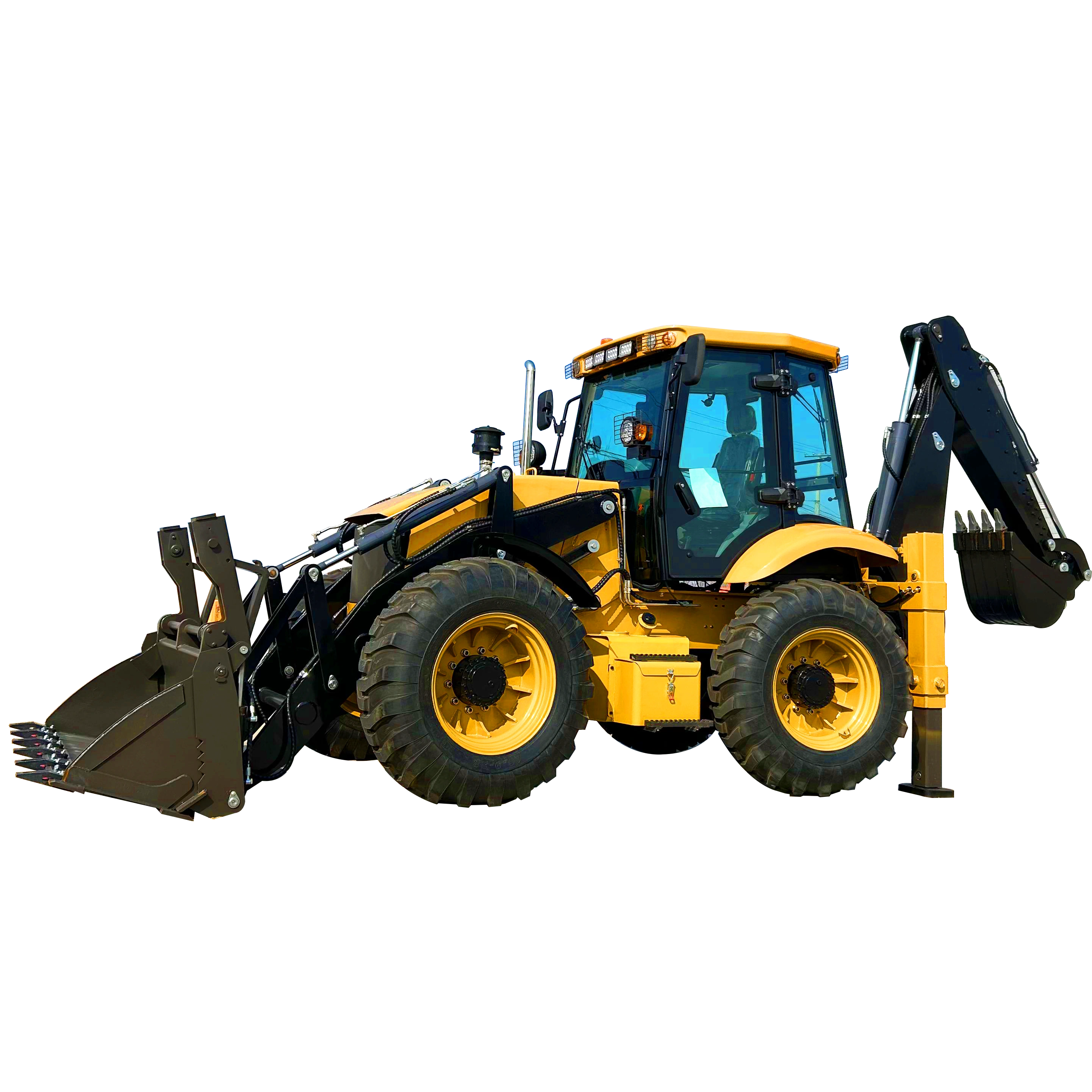
Product Media and Procurement Specifications
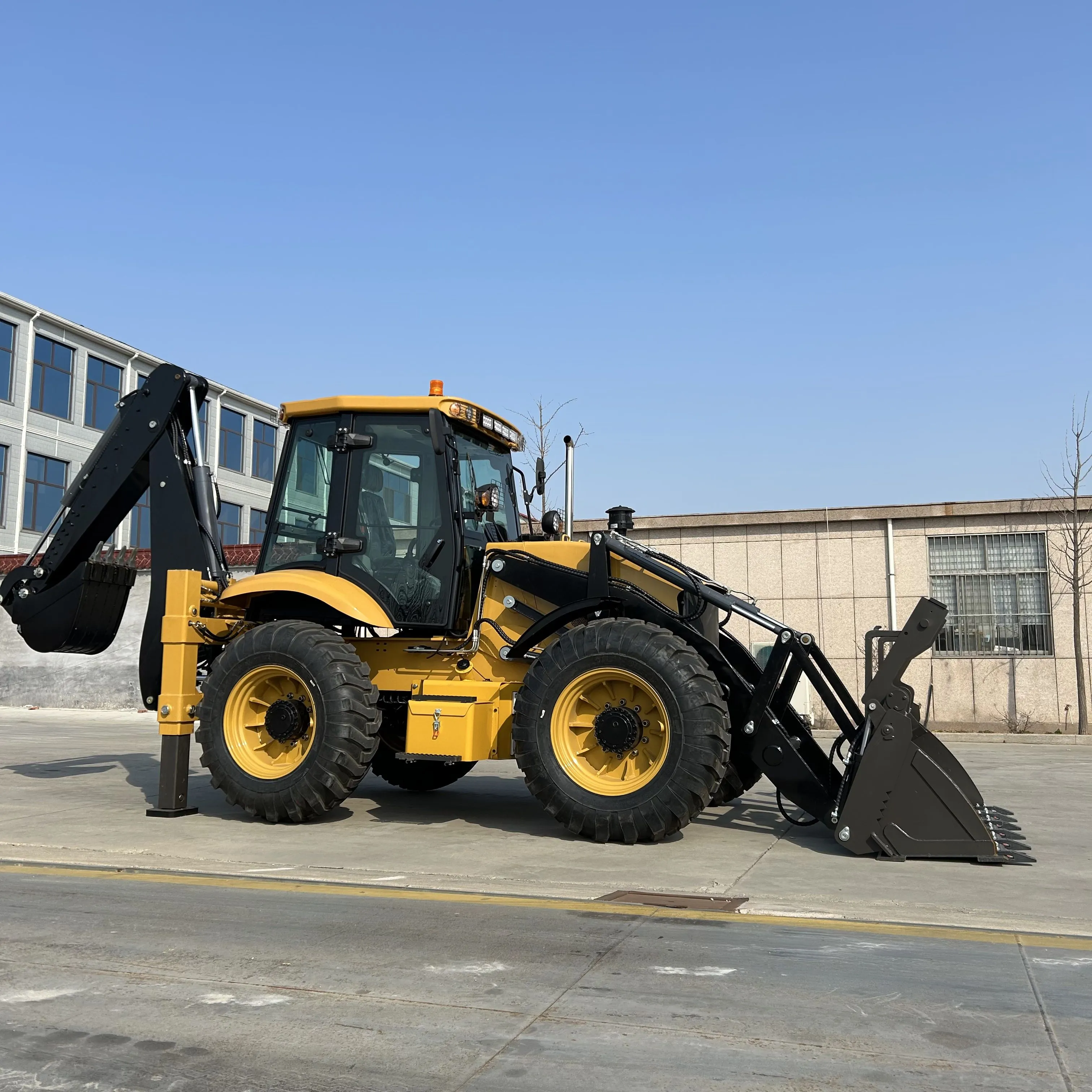
This working-view image gives buyers a clearer look at body proportion, loader stance, and the machine profile used for field handling review.
For first-round sourcing review, the TL-388A also offers a 9,200 kg operating weight, 6,700 mm overall length, hydraulic braking, and a 6,950 mm minimum turning radius. That combination is useful when buyers want balanced loading and excavation performance without adding a separate compact excavator and loader to the same project schedule.
Description
The TL-388A is positioned as a multi-task earthmoving unit for teams that want front loading and rear excavation from one chassis. It fits projects where operators must move aggregate, open trench lines, clear road edges, or handle farm and municipal maintenance work without switching between separate machines during the same shift.
Its visible layout and specification set make it suitable for procurement review when buyers need a straightforward export model with a practical engine platform, job-site mobility, and enough digging depth for routine infrastructure and utility support work.
Product Specifications
| Specification | Details |
|---|---|
| Model | TL-388A |
| Engine Type | YC4A105Z-T20 |
| Rated Power | 75 kW |
| Rated Speed | 2200 rpm |
| Operating Weight | 9200 kg |
| Overall Length | 6700 mm |
| Maximum Width | 2500 mm |
| Total Height | 3870 mm |
| Cab Height | 3200 mm |
| Tyre Distance | 2200 mm |
| Minimum Ground Clearance | 520 mm |
| Bucket Capacity | 1.0 m3 |
| Load-Bearing Capacity | 2500 kg |
| Bucket Lift Height | 4500 mm |
| Bucket Tipping Height | 3200 mm |
| Bucket Tipping Distance | 925 mm |
| Digging Depth | 5200 mm |
| Backhoe Capacity | 0.3 m3 |
| Maximum Digging Depth | 4082 / 4500 mm |
| Grab Swing Angle | 190 degrees |
| Angle of Climb | 25 to 30 degrees |
| Minimum Turning Radius | 6950 mm |
| Brake System | Hydraulic braking |
| Tyre Specification | 16.9-28 |
Core Supply Advantages
Balanced Digging and Loading Output
A 1.0 m3 front bucket, 2,500 kg load-bearing capacity, and rear digging depth up to 5,200 mm support buyers who need one machine for repeated loading and excavation tasks across the same project cycle.
Useful for Mixed Terrain Jobs
The 4x4 arrangement, 520 mm ground clearance, and hydraulic braking make the unit easier to assess for road edges, farm access lanes, municipal maintenance zones, and uneven work surfaces.
Clear First-Round Procurement Review
Visible dimensions, operating weight, and loader and backhoe figures give import buyers a practical baseline for model comparison, site-fit checking, and quotation discussion before final configuration approval.
Related Procurement Articles
TL-388A Backhoe Loader Machine for Construction Use
A focused article for buyers reviewing how the TL-388A fits everyday construction work, with attention to loading and digging balance, machine profile, and general job-site suitability.
Read ArticleLoader Manufacturers Comparison for Backhoe Loader Buyers
Useful reading for teams comparing specification depth, machine layout, and sourcing priorities when narrowing a shortlist among loader manufacturers for export-oriented backhoe programs.
Read ArticleBackhoe Loader Machine for Road Building and Municipal Maintenance
This article helps buyers assess where a backhoe loader supports roadside excavation, municipal repair work, and multi-step maintenance tasks that need compact maneuvering and repeated material transfer.
Read ArticleVerified Procurement Feedback
Fleet Procurement Manager
United Arab Emirates
We reviewed the TL-388A for municipal subcontract work where one machine had to cover trenching and loading in the same day. The published digging depth and turning radius gave our team enough detail for first-stage evaluation.
Construction Equipment Buyer
Kenya
The specification table was practical for comparing engine power, bucket figures, and machine dimensions against our site access limits. It helped us decide where a backhoe loader fit better than separate compact units.
Agricultural Machinery Trader
Peru
For farm drainage and yard handling projects, we needed a machine that could move material and perform moderate digging without a complicated fleet plan. The TL-388A profile and ground clearance details matched that review process well.
Procurement FAQ
What kind of buyer program fits the TL-388A best?
The TL-388A suits importers, project equipment buyers, rental fleet planners, and dealers that need one machine for loading and trenching on mixed job sites. Its 75 kW engine, 4x4 traction, and balanced digging and loading figures make it useful where crews want one platform instead of separate compact machines.
Which visible specifications matter most during first-round supplier review?
The product page shows a YC4A105Z-T20 engine, 75 kW rated power, 2,500 kg load-bearing capacity, 1.0 m3 bucket capacity, 4,500 mm bucket lift height, 5,200 mm digging depth, 9,200 kg operating weight, 6,700 mm overall length, and hydraulic braking. These figures help buyers judge whether the unit fits their loading, digging, transport, and site access needs.
How should buyers compare this model with separate loader and excavator procurement?
The comparison should focus on utilization rate, operator workflow, transport planning, and attachment needs. A combined backhoe loader can reduce idle equipment on smaller projects, while separate machines may suit crews that run loading and excavation at the same time on larger sites.
What attachment and application questions should be confirmed before order placement?
Buyers should confirm the required front bucket setup, rear digging tasks, any quick-change expectations, tyre preference, and the ground conditions the machine will face. It is also useful to verify whether the intended work is road preparation, farm trenching, municipal maintenance, or general site handling so the configuration matches daily use.
Why do turning radius and ground clearance matter in export procurement review?
The listed 6,950 mm minimum turning radius and 520 mm ground clearance are practical indicators for site maneuvering and uneven terrain use. These details help procurement teams judge whether the machine can work inside tighter construction areas, roadside projects, and mixed farm surfaces without relying only on headline power figures.
What documentation points should import buyers request with a quotation?
A clear quotation should be matched with the final machine configuration, main dimensions, operating figures, image confirmation, packing method, destination port, and any requested spare parts list. Buyers often also ask for the exact product photos used for approval so the machine specification and shipment record stay aligned.
