Spare parts maintenance and technical support

01 — Three machine lines

Each line carries its own parts catalogue

The same service question has three different answers depending on which machine is on site — and on the backhoe loader, on which end of it failed. Start from the machine, not from the part description.

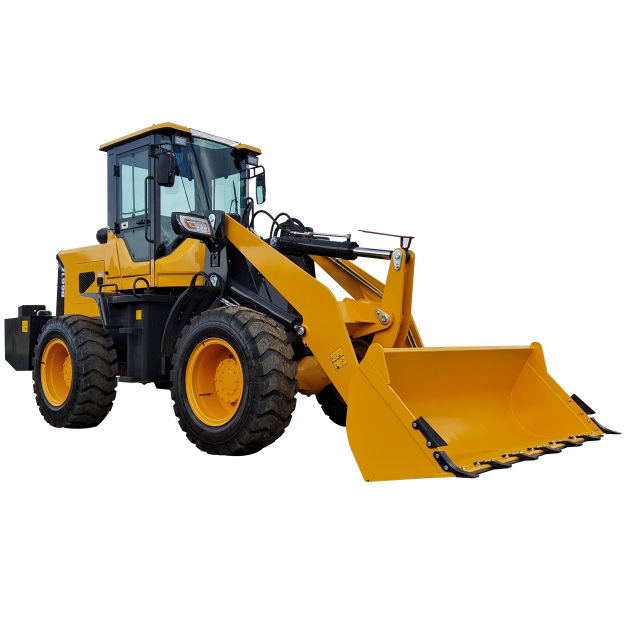
Wheel loader ZL930 two-ton wheel loader with 1.2 m³ bucket, side view

ZL930

2-ton wheel loader

Loader-line service parts, identified from the model, serial number and the engine that is actually installed in the unit.

  • Engine filtersIntake, oil, fuel
  • Hydraulic filtersReturn, suction
  • Cylinder seal kitsBoom, bucket, steering
  • Wear partsTeeth, edges, tyres
ZL930 machine page
Backhoe loader TL-388 backhoe loader with front loader bucket and rear backhoe arm

TL-388

75 kW backhoe loader

Two systems on one chassis. Front loader and rear excavator parts differ, so each order is checked against the matching parts catalogue, including supersession.

  • Hydraulic pumps and valvesSystem side
  • Boom and dipper pinsRear excavator
  • Stabilizer componentsOutriggers, locks
  • Axle and drivetrainService items
TL-388 machine page
Concrete mixer SLM2200 self-loading concrete mixer truck, 2.2 m³ batch capacity

SLM2200

2.2 m³ self-loading mixer

Loading, mixing and discharge on one chassis. Drum liners and mixing blades are the parts that decide the maintenance cost, and both are measured, not eyeballed.

  • Drum linersMeasured wear
  • Mixing bladesReplacement set
  • Pumps and motorsHydraulic side
  • Water systemLines, valve, pump
SLM2200 machine page

02 — What identifies a part

Five inputs turn a parts request into the right part

Part numbers, compatibility, replacement options, availability and lead times are confirmed before an order is finalised. These are the inputs that make that confirmation possible.

  • 1

    Machine model and serial number

    Not the description on the invoice — the plate on the machine. Build changes move part numbers inside the same model.

  • 2

    Engine configuration

    Loader and backhoe builds can carry different engines, and filters and seals follow the engine, not the model name.

  • 3

    Components already installed

    Attachments, tyres and options fitted at build or later change what the correct replacement is.

  • 4

    Operating hours

    Tells us where the machine sits in the service schedule and what has probably already been replaced.

  • 5

    The fault itself

    Fault codes, photographs and a description of the operating conditions — the difference between a part and a setting.

Compatibility and supersession are verified against the applicable parts catalogue before ordering. On the TL-388 this matters most: front loader and rear excavator parts are not interchangeable. The illustrated parts catalogue is versioned as well — the revision that matches your serial number is the one the part number comes from.

03 — The parts families

Where the wear actually happens

Eleven families account for most of the service parts across the three lines. For each one: what it is inspected for, and what we confirm before it ships.

Service parts by family — inspection point and what is confirmed before the order
Part family Fitted to Inspect for Confirmed before order
Engine, fuel and air filters Loader · Backhoe · Mixer Restriction, contamination, water in the bowl, damaged housing Engine make and model, the real filter P/N, element type; the safety element where one is fitted
Hydraulic filters Loader · Backhoe · Mixer Bypass, contamination, seal condition Circuit — return, suction or pressure — filtration rating, housing compatibility
Hoses and fittings Loader · Backhoe · Mixer Chafing, bulging, weeping at the crimp, exposed wire Length, bore, pressure rating, fitting type and the circuit it sits in
Cylinder seal kits Loader · Backhoe · Mixer Weeping, rod scoring, drift under load Which cylinder — boom, dipper, bucket, stabilizer, loading arm — bore and rod diameter, seal material
Pins, bushings and locking devices Loader · Backhoe · Mixer Clearance, ovality, fretting in the bore, a cracked locking device Joint position, pin and bushing dimensions, hardness, lubrication method
Bucket teeth, cutting edges and wear plates Loader · Backhoe Wear against the repair limit, cracks, adapter wear Bucket model, hole spacing, thickness; on the backhoe, front loader or rear bucket
Tyres and wheel fasteners Loader · Backhoe · Mixer Cuts, sidewall damage, torque loss, pressure Size, type, rim fitment and the tyre maker's wear indicator
Hydraulic pumps, motors and valves Backhoe · Mixer Pressure, flow, temperature, noise, slow response Pump or motor model, displacement, rotation, ports, pressure; valve block number and function
Brake service parts Loader · Backhoe · Mixer Brake clearance, lining thickness, leaks, braking performance Brake type, part revision, the specified fluid — judged against the brake's repair limit, not on appearance
Drivetrain, axle and drum drive parts Loader · Backhoe · Mixer Axle, transmission, drum drive and reduction-gearbox service items Axle, transmission and drive configuration; gearbox and reduction parameters
Drum liners, mixing blades and water system Mixer Measured thickness at the inspection points, cracking, distortion, flow and nozzle condition Drum structure, liner shape and thickness, blade position, pump / valve / nozzle configuration

Two parts that look alike on a photograph are frequently two different part numbers. The list above is the enquiry structure we work through, not a stock list.

04 — What to keep on the shelf

Three kit levels, and what belongs in each

What to stock is a decision about downtime cost, not about the parts list. These are the three levels fleets usually settle on, and which one pays for itself is decided by how far the machine sits from the nearest parts counter.

Level 1 · Maintenance kit

  • Engine oil, fuel and air filters, plus the hydraulic element for the circuit actually fitted
  • The seals, lubricants and fluids the manual specifies for routine service
  • Service record sheets and the operating and maintenance manual

The baseline every machine should carry, whatever its duty cycle.

Level 2 · Site repair kit

  • Common hydraulic hoses, fittings and confirmed seals
  • Key pins, bushings and fasteners
  • Fuses, relays and lamps as actually configured
  • Bucket teeth, edges or wear parts matched to the bucket on the machine

The level that stops a one-day repair turning into a two-week wait.

Level 3 · Remote-site kit

  • The high-risk items filtered out of levels 1 and 2
  • Cylinder seal kits and the hoses most likely to fail under load
  • The machine-specific parts that cause the longest stop when they are missing
  • Parts catalogue, emergency order list and the serial number record

Built from a risk review of the site, not from a standard package.

Quantities follow the model, the service interval and the hours you plan to run. High-value assemblies — hydraulic pumps, motors, axles, reduction gearboxes — are assessed per site against failure probability, local supply and lead time rather than stocked by default; on some operations the right answer is a named contact and a confirmed lead time instead of a spare on the shelf.

05 — Preventive maintenance

The routine inspection, in the order it is usually done

Routine inspection and timely maintenance reduce unexpected downtime and keep the machine safe to operate. Walk it in this order and the expensive failures get caught as cheap ones.

Preventive maintenance matrix — inspection area, what to check, why it earns its place
Inspection area What to check Why it earns its place
Engine Oil, coolant, filters and air intake Restriction and coolant loss surface here before they surface as a repair
Hydraulics Oil level, filters, hoses, pumps, motors, cylinder connections Leaks and contamination are the expensive failures on any of the three lines
Tyres and running gear Tyres, wheel fasteners, steering and braking systems Safety-critical and the cheapest checks on the list
Loader arm and linkage Pins, bushings, bucket linkage, locking devices Unchecked clearance turns a bushing into an oval bore and a new arm end
Bucket, teeth and edges Teeth, cutting edges, wear plates, structural condition Wear rate is a direct cost per tonne moved
Backhoe front and rear Front loader and rear excavator linkage, stabilizers, locking devices Two systems, two catalogues — the wrong end ordered is a wasted shipment
Mixer drum side Drum, mixing blades, liners, discharge components, fasteners These are the parts measured at the specified inspection points
Driveline and axles Axle parts, drivetrain service items, safety devices Follows the manufacturer's schedule rather than a rule of thumb

Service intervals, fluid specifications, lubrication requirements, tightening torques and hydraulic test specifications follow the applicable machine, engine, hydraulic and drivetrain manuals. Machines working in severe conditions may need more frequent inspection. On the mixer, clean the drum and discharge components after use as the operating manual requires — hardened concrete is the failure that prevents.

06 — When each check happens

The interval ladder behind the matrix

Schedules differ by model, but nearly all of them are built on the same five check points. What changes between the lines is the content of each node — and on the mixer, the drum routine that runs every shift whatever the hour meter says.

Inspection nodes — loader and backhoe loader, then the self-loading mixer
Node Wheel loader · backhoe loader Self-loading mixer
Every shift Fluid levels, leaks, tyres and rims, brakes, steering, lights and alarms; teeth, edges, pins and visible cracks Clean the drum and discharge chute to the manufacturer's procedure, then the same daily checks plus loading arm, bucket, drum and fasteners
50 hours — first check Lubricate the specified points; pin and bushing clearance, wheel fasteners, driveline connections, hose wear Lubricate pins, pivots and driveline points; hose wear, loose fasteners, blade and liner condition
250 hours — planned service Engine oil and filters, hydraulic filter, transmission and axle fluids — where the manual calls for replacement This node sits at 200 hours on the mixer: engine oil and filters, hydraulic filters, driveline, reduction gearbox, electrical connections
500 hours — combined check Cooling system, hydraulic lines, brakes, attachment clearance, axles and driveline Hydraulic performance, drum drive, driveline, axles, brakes and the drum wear parts
1,000 hours — major service Systematic inspection; hydraulic pressure, transmission and brake performance, structural cracks, key pin wear Key driveline parts, drum structure, blades and liners, loading mechanism, hydraulics and safety devices

Nodes, not a fixed schedule. What is replaced at each node follows the maintenance plan approved for the specific model and serial number, the engine maker's schedule included — and a machine on severe duty moves up the ladder rather than following it to the letter.

07 — Wear inspection and repair

Inspect against the limit, not against how it looks

Wear parts are checked against the approved dimensions and service limits for the specific model. A part that has passed its limit is replaced, not adjusted.

Time to replace

Any of the following means the part comes off — before the next shift, not at the next service.

  • Cracks in a pin, a structural part or a cylinder rod
  • Deformation that falls outside the manufacturer's limit
  • Excessive clearance between a pin and its bushing
  • Leakage at a seal, a hose crimp or a cylinder gland
  • Wear past the limit on teeth, edges, plates, liners or blades
  • Discharge or fastener damage on the mixer drum assembly

Who may do the work

  • Operator: the daily walk-around, fluid levels, lubrication to the manual, cleaning the radiator exterior, photographing faults and recording alarms.
  • Trained maintenance: filter changes, hose and seal replacement inside the approved scope, pin and bushing work, the specified adjustments and function tests.
  • Qualified specialist: high-pressure hydraulic work, accumulator repair, key brake work, axle or gearbox internals, structural welding and load-bearing repairs.

Isolate and lock out before work, and lower the attachment or support it mechanically — never let a hydraulic cylinder be the thing that holds a raised loader arm. Work on brakes, steering, stabilizers or load-bearing structure has to pass the specified safety verification before the machine goes back to work. Entering the mixer drum is confined-space work, not routine maintenance.

What we need when you call

  • Machine model and serial number
  • Engine model and operating hours
  • Fault codes and alarms, where the machine reports them
  • Fluid condition and where the leak is
  • Photographs or video of the failed part and its surroundings
  • What the machine was doing when it failed

When to stop, not diagnose

Remote guidance only covers checks whose risk is controllable and whose skill is on site. A high-pressure leak, a brake or steering failure, a structural crack, or any doubt about the safety state of the machine means it stops and a qualified person examines it in person.

08 — Technical support

Five steps from a fault call to the right part

The same process runs for a filter and for a failed hydraulic pump. What changes is how far it goes, not how it starts.

  • 1

    Fault ticket

    Model, serial number, engine, hours, purchase record and when the fault started — logged against the machine, so the history stays with the unit rather than with a person.

  • 2

    Diagnostic evidence

    Alarms and fault codes, fluid condition, where it leaks, photographs or video, and what the machine was doing when it failed.

  • 3

    Remote initial assessment

    Worked in the check order of the manual for that model: an operating error, a maintenance gap, a part failure, or something that needs instruments.

  • 4

    Decision

    The next checks, whether the machine should stop, the parts needed, the likely cost and whether the work has to be done on site.

  • 5

    Repair verification and closure

    Repair record, the part numbers actually replaced, test results and the customer's confirmation — with the cause noted, so the next failure is a shorter call.

On-site service and warranty

On-site service availability and warranty coverage are confirmed for the specific location and case. Neither is assumed from the machine model alone.

Written terms, not verbal ones

Warranty coverage, replacement-parts eligibility, labour and freight responsibilities are subject to the applicable written warranty terms. Ask for them with the quotation.

Warranty split — the structure the written terms follow
Item Inside warranty Outside warranty
The part Covered where the claim meets the policy and the cause is a parts or workmanship fault Charged at the quoted parts price
Labour and on-site service Per the written terms — not automatically free Per the service quotation, agreed before the work
International freight and duty Set by the warranty policy and the order terms Per the quotation, the trade terms and the import rules
Wear parts, non-OEM parts, unapproved modification Assessed against the terms and the actual cause of the failure The contract decides fitment and repair risk
Downtime caused by the failure Not compensated unless the contract says so Not compensated unless the contract says so

FAQ

Parts questions, answered directly

Can you identify the part from the model and serial number alone?

They are the starting point, not the whole answer. The build also has to be known: engine configuration and the components already installed, because options and build changes move part numbers inside the same model. Send the model, serial number, the engine in the unit and what is fitted, and part number, compatibility, replacement options, availability and lead time are confirmed before the order is finalised.

Do you support parts for all three machine lines?

Yes — the wheel loader, the backhoe loader and the self-loading concrete mixer. The backhoe loader is the one to be careful with: the front loader and the rear excavator use different parts, so each order is checked against the matching parts catalogue, including model supersession, before anything ships.

How often should the machine be serviced?

Nearly every schedule is built on five check points: every shift, 50 hours, 250 hours (200 on the mixer), 500 hours and 1,000 hours — the ladder on this page shows what each node covers. What is replaced at each node, the fluid specifications, lubrication points, tightening torques and hydraulic test values follow the manual approved for your model, engine and drivetrain. A machine on severe duty moves up the ladder rather than following it to the letter, and on the mixer, cleaning the drum and discharge components after use is part of the routine, not a separate task.

Is on-site service included?

The support process is fault ticket, diagnostic evidence, remote initial assessment, a decision on parts and next steps, then repair verification and closure. On-site service availability and warranty coverage depend on the location and the specific case, so they are confirmed rather than assumed. Repairs involving hydraulic pressure systems, brakes, steering, stabilizers, load-bearing structures or internal drivetrain components must be performed by suitably trained and competent personnel.

What does the warranty cover on a replacement part?

Warranty coverage, replacement-parts eligibility, labour and freight responsibilities are subject to the applicable written warranty terms. Ask for those terms together with the quotation, so both sides are working from the same document rather than from an assumption about what a parts warranty usually covers. The warranty split on this page is the structure those terms follow — parts, labour and on-site service, freight and duty, wear parts and downtime.

Send the model and serial number — we will send back the parts list

Tell us the machine, the hours on it and what it is doing wrong. You get back the part identification, the replacement options and the maintenance step that goes with it.

Request a parts list

One filter or a full service kit — start with the model and serial number.

Message Us